Avoiding Therapy: When Escaping a Problem Becomes Part of the Problem
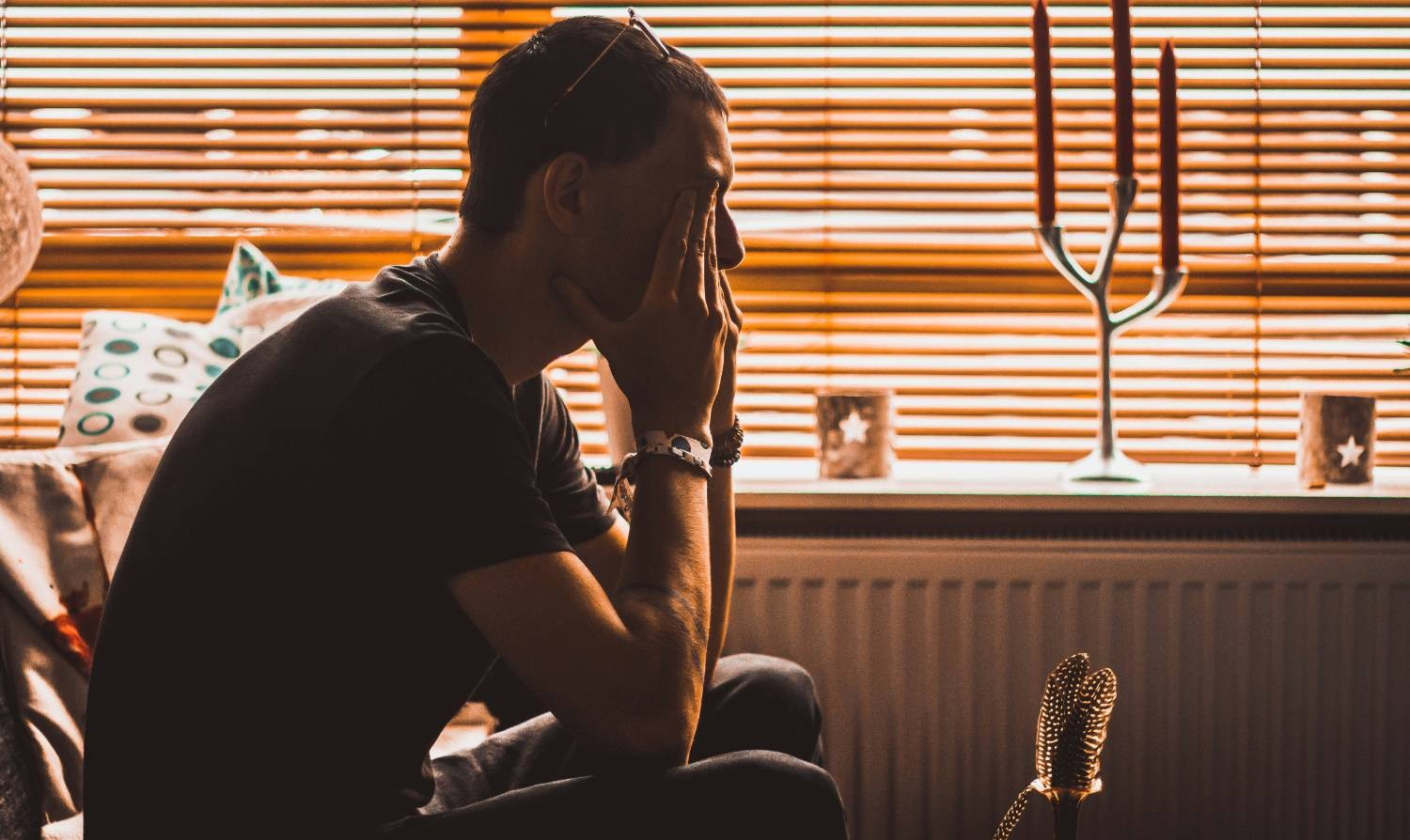
Avoiding Therapy: When Escaping a Problem Becomes Part of the Problem
Sometimes we recognize a problem and know how it affects our lives, but prefer not to think about it.
We say:
“It will sort itself out.”
“Now is not the right time.”
“I should be able to solve it on my own.”
“It is not that serious.”
Perhaps most importantly, each time we decide to seek therapy, we put it off again.
At first glance, this behavior may look like a simple decision. In psychology, however, avoidance can be one of the ways the mind protects us from anxiety and unpleasant feelings.
The difficulty begins when something that was meant to protect us temporarily gradually becomes part of the problem itself.
What does avoiding therapy mean?
Avoiding therapy means postponing or staying away from seeing a psychologist or starting psychotherapy, despite feeling a need for help.
This avoidance can be conscious or unconscious.
Someone may genuinely intend to seek help but find a reason to delay it each time.
Sometimes people deny their problem or minimize its importance so that they do not have to face difficult feelings.
Avoiding therapy, then, does not always mean that someone does not want to feel better.
Sometimes it means that their mind is afraid of what they may encounter during therapy.
Why do we avoid something that could help us?
The human mind naturally tries to keep us away from pain and threats.
When a situation causes anxiety, distancing ourselves from it can bring short-term relief.
For example, someone who is afraid to talk about a painful experience may prefer to remain silent about it.
Someone who fears being judged may avoid seeing a psychologist.
And someone who fears change may continue with their current circumstances, even when those circumstances are distressing.
In each case, avoidance can send a short-term message to the mind:
“You have stepped away from this situation for now, so there is no danger.”
But reduced anxiety in the short term does not necessarily mean that the problem has been resolved.
How does avoidance become reinforced?
Imagine that seeing a psychologist makes someone anxious.
They decide not to call today and put it off until the following week.
At that moment, their anxiety may decrease.
The mind experiences this reduction in anxiety and learns:
“Staying away made me feel better.”
As a result, avoidance becomes more likely next time.
A cycle may develop:
Anxiety → avoidance → temporary relief → reinforcement of avoidance → the problem remains
What began as a protective response can gradually become a recurring pattern.
Ignoring a problem does not necessarily make it disappear
A common mistake is to assume that a problem will gradually disappear if we do not talk about it.
But emotions and psychological difficulties do not always work this way.
Someone may not talk about their anxiety, yet that anxiety can affect their sleep, relationships, concentration, or daily functioning.
They may not speak about dissatisfaction in a relationship, but it may appear as anger, withdrawal, or mistrust.
They may not have faced a difficult experience, yet continue to have emotional responses connected to it.
This is why ignoring a problem is different from resolving it.
Avoiding therapy can take different forms
Avoidance does not always appear as “I do not need therapy.”
Sometimes it is much more subtle.
For example:
Continually searching for the “best time” to start therapy
Deciding to seek help and then canceling
Minimizing the problem
Comparing yourself with people in more difficult circumstances
Saying, “Other people have bigger problems”
Trying to solve everything on your own
Keeping yourself constantly occupied to avoid thinking about your feelings
Changing the subject when sensitive issues come up
Fearing that therapy will bring more difficult feelings
Sometimes people even spend hours reading about therapy but still take no practical steps to begin.
In these circumstances, the issue may be more than “not being ready.” Avoiding an emotional confrontation may also play a part.
What role does fear of judgment play?
One important reason for avoiding therapy is fear of being judged.
Someone may think:
“What will the psychologist think of me if they find out how I really feel?”
Or:
“If I talk about my mistakes, they may think I am not a good person.”
This fear can make people feel ashamed even of expressing some of their own feelings.
But therapy is not intended to be a place of judgment.
Psychotherapy offers an opportunity to explore experiences with the help of a professional, including experiences that may be difficult to discuss in everyday relationships.
“I should solve it myself”
Believing in self-reliance can be positive. But when it becomes the belief that “I must not ask anyone for help,” it may become a barrier to therapy.
No one is expected to solve every problem in life alone.
Seeking professional help does not mean giving up personal responsibility.
On the contrary, it can help people understand their difficulties more clearly and take more informed steps toward change.
Asking for help can be part of taking responsibility for mental health, rather than a sign of weakness.
Why do we become used to our suffering?
Sometimes people have lived with difficult circumstances for so long that those circumstances have become their “normal state.”
Anxiety, loneliness, lack of motivation, or exhaustion may have lasted so long that they no longer imagine a different way of living.
In these circumstances, “How can I feel better?” may be replaced by “How can I endure this situation?”
Becoming used to suffering does not mean that the suffering is gone.
It may simply have become familiar.
Why is change frightening even when we know it is necessary?
One reason for avoiding therapy is fear of change.
Sometimes our current circumstances are distressing, but familiar.
Change means entering territory where we do not yet know what awaits us.
Someone may know that a relationship is not right for them but fear the loneliness that might follow.
They may know that they need to talk about an old issue but fear the feelings they might experience again.
Sometimes, then, people find themselves between two fears:
The fear of remaining in their current circumstances and the fear of the unknown that comes with change.
Psychotherapy can provide a space where change happens gradually and with greater understanding, rather than all at once.
When can avoiding therapy become a concern?
If someone repeatedly notices that a problem is affecting their life but continues to avoid facing it, it is worth taking that pattern seriously.
This is especially true when the problem affects areas such as:
Family and romantic relationships
Work or education
Sleep and energy
Concentration
Satisfaction with life
Self-confidence
The ability to manage emotions
A problem does not have to become a major crisis before someone can seek professional help.
How can we break the cycle of avoidance?
Breaking the cycle of avoidance does not necessarily begin with a major decision.
Sometimes a small step is enough.
The first step may be to replace “How can I get rid of this feeling?” with:
“What exactly am I avoiding?”
Then we can explore:
Am I afraid of being judged?
Am I afraid to talk about the past?
Am I afraid of change?
Do I think I should solve everything myself?
Or do I feel anxious about facing the reality of an issue?
Understanding the reason for avoidance can itself be the beginning of change.
You do not have to feel completely ready to begin therapy
Some people believe that they must be completely ready before seeing a psychologist.
In reality, many people enter therapy feeling afraid, uncertain, or even resistant.
You do not have to know everything in advance.
You do not have to know exactly what the problem is.
You can even say in the first session:
“Starting therapy was difficult for me, and I put it off for a long time.”
This itself can become part of the conversation in therapy.
Escaping a problem does not always keep us away from pain
Avoidance may bring relief for a while.
But if this short-term relief allows a problem to continue for longer, it may come at a greater cost.
Sometimes we avoid something not because we are too weak, but because our mind is trying to protect us.
Understanding this mechanism can help us treat ourselves more kindly.
The aim is not to blame ourselves for avoiding things.
It is to understand why we avoid them and whether this approach still serves us.